Urban design, observed
Read the changing city at street level
Cities change slowly, and then suddenly at the kerb: a bench appears where a parking bay was, a strip of planting sits lower than the pavement, a joint in the paving starts to drink the rain. Those small, visible details are where newer ideas in urban design become part of ordinary journeys.
selectscoutmeadowre.com is written for curious residents and design students who want to understand four of those ideas — streets for lingering, rain as a design material, the reuse of old structures and access that goes further than a single ramp — by looking at what sits underfoot and at eye level rather than at forecasts. No approach here works everywhere; climate, budgets, maintenance and local habits decide what succeeds.
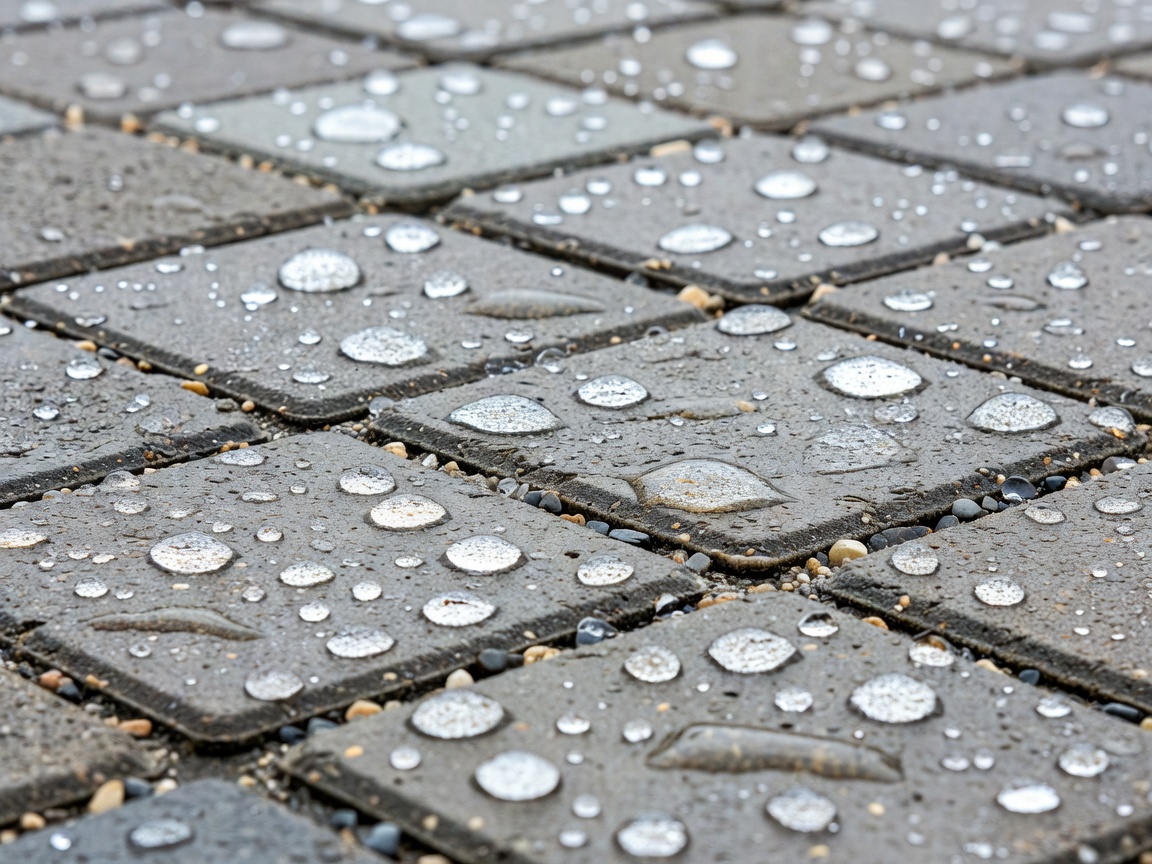
An observation walk
Notice what the pavement reveals
Trend reports tend to describe cities from above. The most reliable way to judge a design approach is to walk an ordinary route — home to a bus stop, a school gate to a park — and watch how the details behave. Take this sequence on any street you know well.
- Start where people stop. Look for places people pause without being asked: benches, low walls, wide steps, the edge of a planter. Note whether seats have backs and armrests, which make sitting down and standing up easier for many older people, and whether some seats face the activity of the street.
- Follow the shade. Check which seats and waiting spots sit under trees, canopies or building shadow during the warmest part of the day. A bench in full sun on a hot afternoon is often an empty bench, however well it is made.
- Watch where the rain goes. Look for gaps cut into kerbs, gratings, paving joints filled with grit instead of mortar, and planted beds set lower than the footway. After a shower, note where puddles stay and where the surface dries quickly.
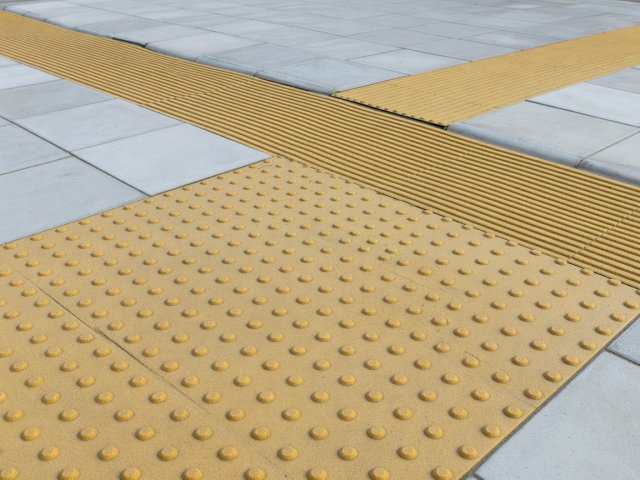
- Read the joints and surfaces. Smooth, level, firm surfaces help wheelchairs, pushchairs and suitcases. Open joints that suit drainage can catch narrow wheels or walking sticks if they are wide. At crossings, notice the textured tactile paving and whether it lines up with the dropped kerb.
- Trace one continuous route. Walk from a stop to a building entrance and count the interruptions: a single step, a steep sideways slope, a sign board, bins on collection day, a missing dropped kerb. The route is only as good as its weakest point.
- Look up at the buildings. Bricked-up openings, newer windows cut into older walls, patches of different mortar and ground floors with a changed use are signs that a structure has been reused rather than replaced.
- Return at another time. Evening light, a wet weekday and a busy Saturday each reveal something different. Design succeeds or fails across the week, not in a single photograph.
Keep brief notes or sketches. Over a few walks, patterns appear: which details invite people to stay, which ones quietly turn them away, and which depend on maintenance that may or may not arrive.
Four subjects
Four shifts shaping shared space
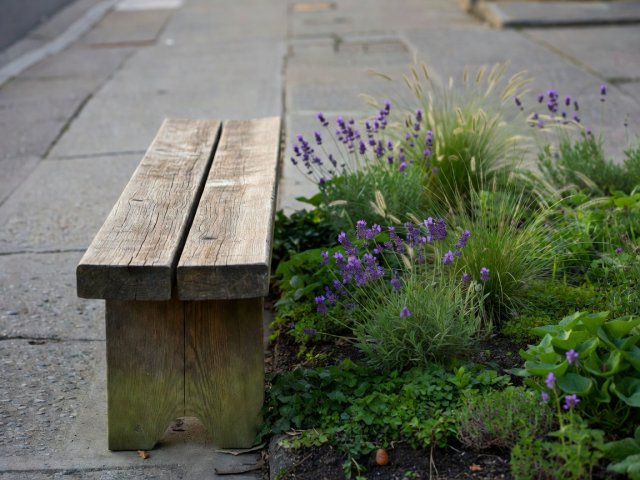 Street life
Streets made for lingering
Many streets are being redesigned as places to stay, not only to pass through. Seating, shade and kerbside planting are the visible tools, and their placement matters as much as their quality.
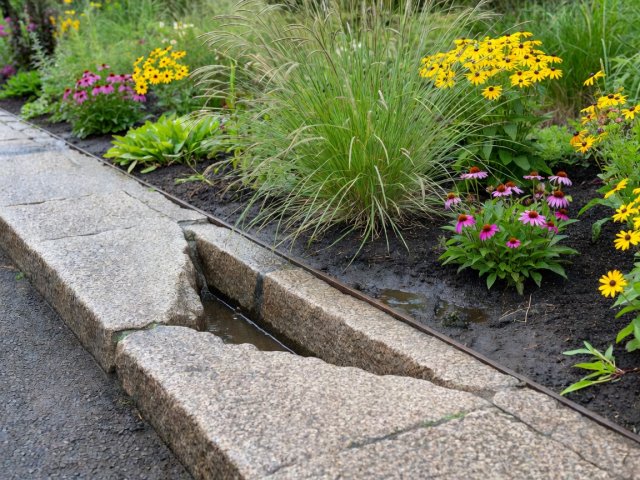 Rain design
Rain as a design material
Instead of hurrying rainwater into pipes, newer schemes slow it, soak it into the ground and let plants use it. Permeable paving, rain gardens and kerb inlets are the clues to look for.
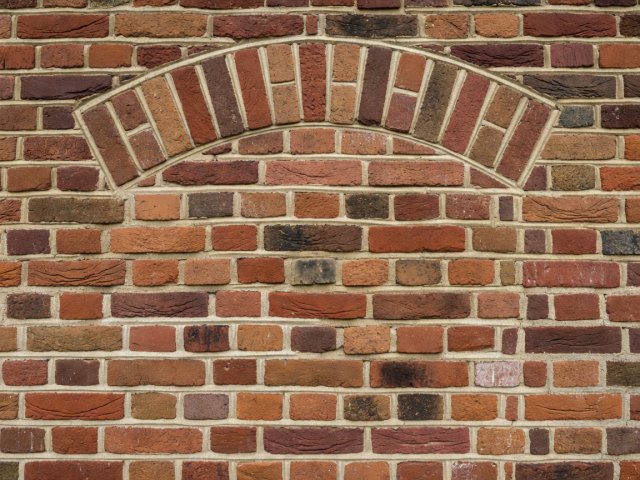 Reuse
ReuseOld structures, new purposes
Warehouses become homes, viaduct arches become workshops, salvaged stone becomes new paving. Reuse keeps character and materials in place, though it brings constraints of its own.
 Access
Access beyond the ramp
Inclusive design looks at whole journeys: surfaces, resting points, lighting and orientation. The question is less whether a ramp exists than whether the full route works for different people.
Questions from the kerb
- Why are so many streets getting benches and planters?
- Many places now treat streets as public space as well as traffic routes. Seating and planting encourage people to stay, which can support local shops and social contact, but they only work where there is shade, a reason to pause and someone responsible for upkeep.
- What is a rain garden?
- A planted bed set slightly below the surrounding ground, so that rain from nearby surfaces collects there and soaks away slowly instead of rushing into drains. Soil, plant choice and maintenance all affect how well it works.
- Is reusing a building always better than rebuilding?
- Not always. Reuse avoids much of the material and energy of new construction, but some structures cannot meet current needs without major work. The balance depends on the building and the intended use.
- Does a ramp make a place accessible?
- It helps, but access depends on the whole journey, from surfaces and crossings to seating, lighting and signage.